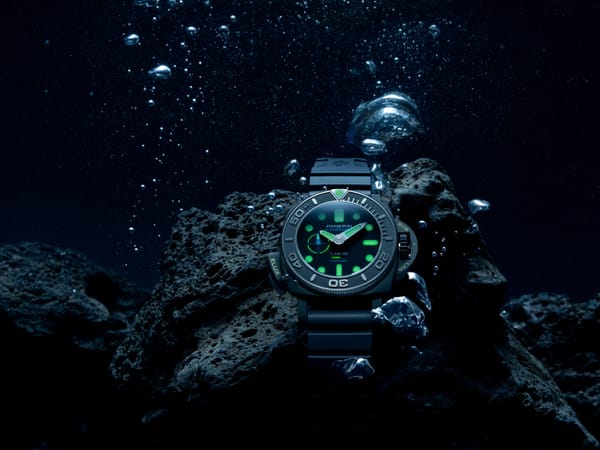
The Ultimate Guide to METAS Master Chronometer Watches


In the world of precision timekeeping, few certifications carry as much weight as METAS Master Chronometer certification. Representing the pinnacle of watchmaking standards, METAS-certified timepieces undergo rigorous testing that goes far beyond traditional chronometer certification. For collectors and enthusiasts seeking watches that combine exceptional accuracy, reliability, and technical innovation, understanding METAS certification and the standout models that carry it has become essential. Over the past two years, several remarkable watches have earned this prestigious designation, each representing the cutting edge of horological achievement.
Understanding METAS Certification
The Highest Standard in Watchmaking
METAS, the Swiss Federal Institute of Metrology, established the Master Chronometer certification standard in partnership with Omega in 2015. This certification represents a monumental leap forward from traditional COSC (Contrôle Officiel Suisse des Chronomètres) chronometer certification. For a detailed comparison of how METAS addresses the limitations of COSC testing, see my recent article on the COSC Excellence certification update.
What makes METAS certification particularly relevant for my needs as a medical professional is the rigorous magnetic resistance specification. The certification requires watches to withstand magnetic fields of 15,000 gauss (1.5 Tesla) while maintaining accuracy. For those of us who work in hospital environments near MRI devices, CT scanners, and other medical imaging equipment that generate powerful magnetic fields, this specification isn’t just impressive—it’s essential.
Traditional mechanical watches can be magnetized by exposure to magnetic fields as low as 50-100 gauss, causing them to gain or lose significant time. An MRI machine generates magnetic fields of 1.5 to 3 Tesla (15,000 to 30,000 gauss), strong enough to pull ferromagnetic objects across a room. While I’m careful not to wear my watch directly into MRI suites, the reality of working in a hospital means regular proximity to powerful magnetic sources: portable imaging equipment, magnetic door locks, electronic medical devices, and even the residual fields near MRI facilities.
The Master Chronometer certification process subjects watches to eight rigorous tests conducted over 10 days, evaluating the complete, fully assembled watch under real-world conditions. The tests cover precision across six different positions, accuracy after magnetic exposure, power reserve stability, water resistance, and rate consistency under varying conditions. Critically, watches must maintain accuracy within 0 to +5 seconds per day after magnetic exposure—proving the anti-magnetic properties work in practice, not just in theory.
Perhaps most significantly, METAS certification is conducted by an independent government institution with no commercial interest in the results. For collectors like myself who are considering investing in a METAS-certified watch in the near future, this independent verification offers genuine peace of mind that the watch will perform as promised in demanding professional environments.

Omega Seamaster Planet Ocean 600M (2025 Fourth Generation)
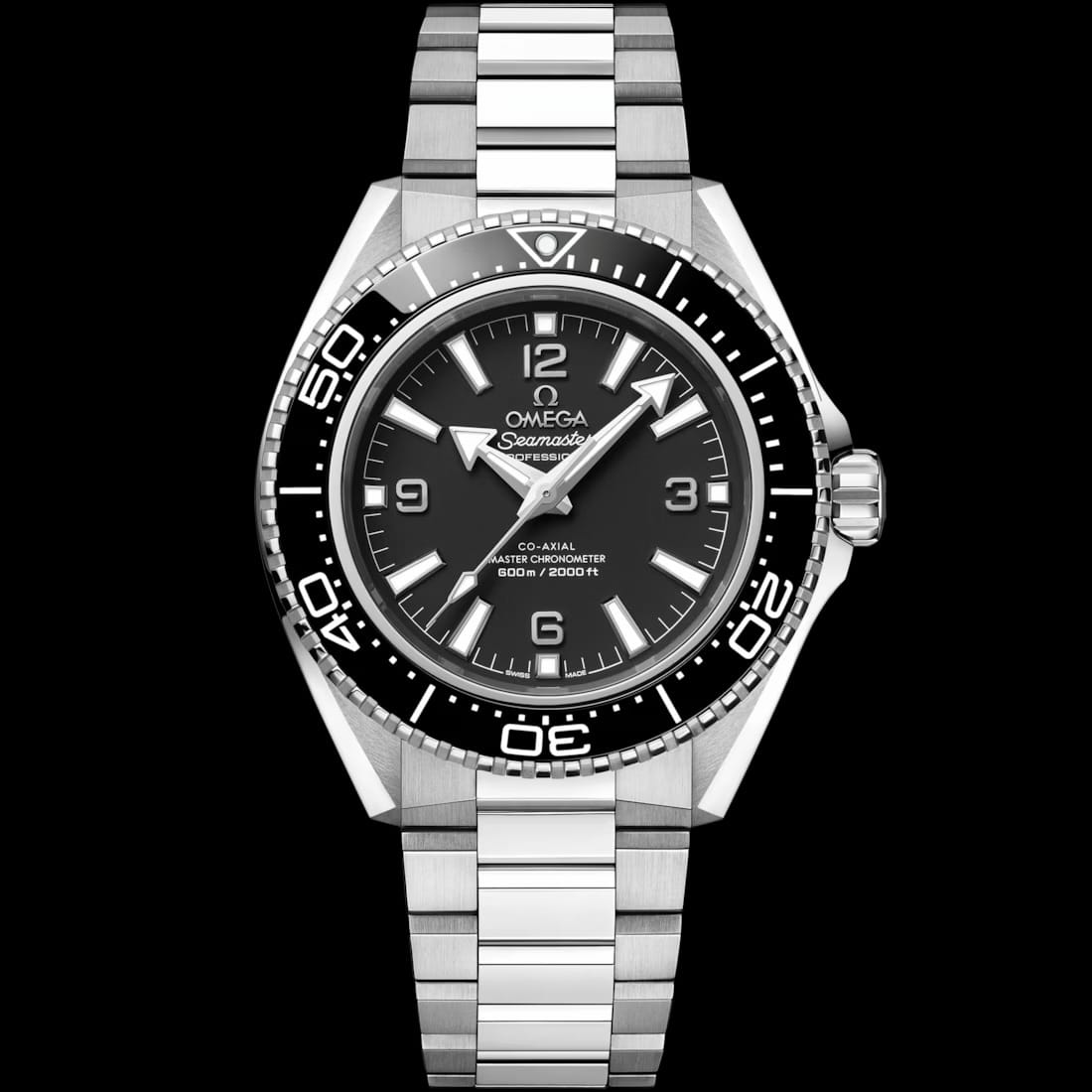
Omega’s redesigned Seamaster Planet Ocean for 2025 marks the fourth generation of this iconic dive watch, celebrating 20 years since the collection’s debut in 2005. This comprehensive refresh represents one of the most significant updates to the line in recent memory, combining heritage design elements with contemporary innovation.
The new Planet Ocean features Omega’s latest Co-Axial Master Chronometer Caliber 8912, delivering a 60-hour power reserve and complete resistance to magnetic fields of 15,000 gauss. The case architecture has been refined with improved proportions and a redesigned bracelet featuring enhanced comfort and durability. Available in multiple configurations—including stainless steel, titanium, and precious metals—the 2025 Planet Ocean maintains the collection’s signature orange accents while introducing new dial finishes in fumé grey and beige variants.
What distinguishes the 2025 Planet Ocean is Omega’s commitment to technical refinement without sacrificing the design language that made the original successful. The watch remains water-resistant to 600 meters, suitable for professional diving applications, while the Master Chronometer certification ensures that every example meets rigorous real-world performance standards. At approximately $7,400 for the steel version, it represents a significant investment, but one justified by the technical achievement and verified performance it embodies.
Tudor Black Bay 41 Monochrome (2025)
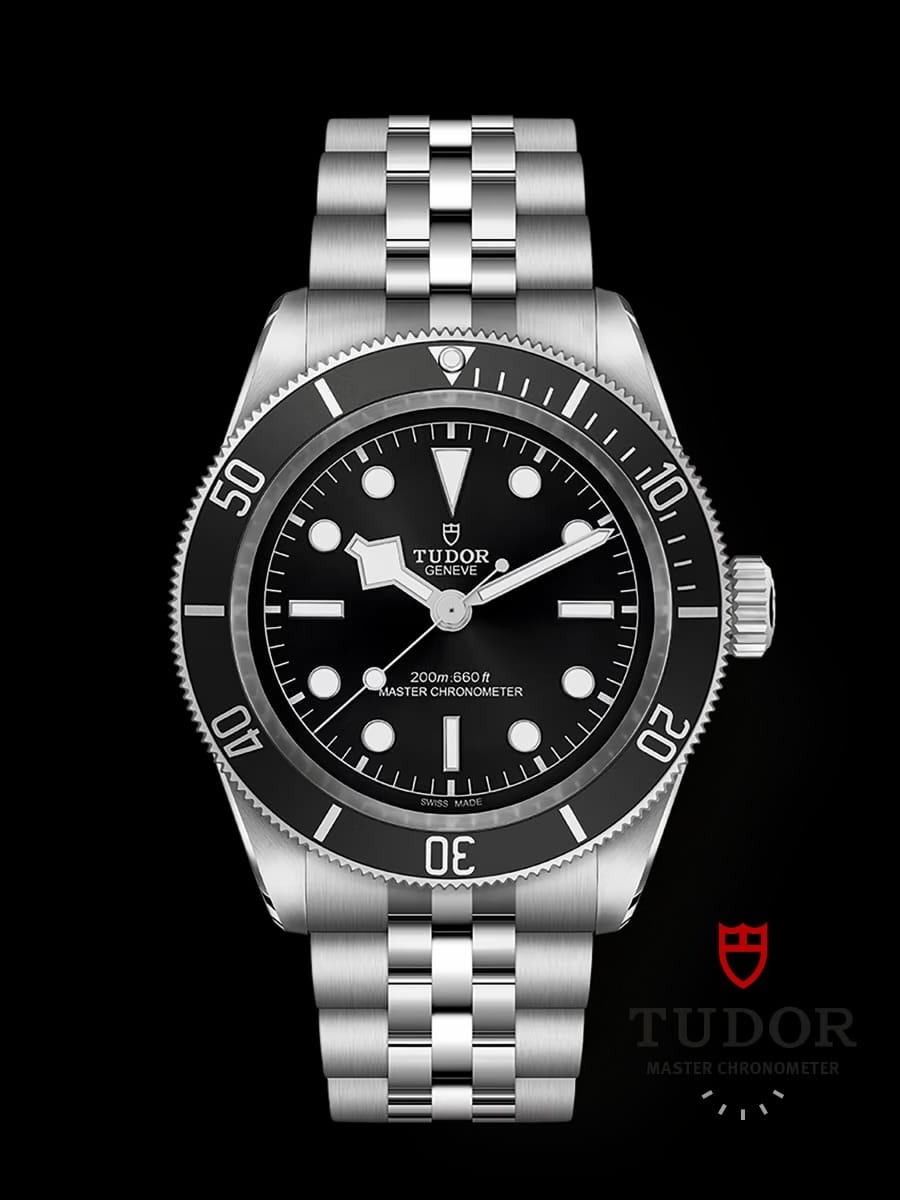
Tudor’s 2025 refresh of the Black Bay collection brought Master Chronometer certification to the brand’s most iconic sports watch, marking a watershed moment for the Rolex subsidiary. The new Black Bay 41 Monochrome features the Calibre MT5612-U, now METAS-certified, representing Tudor’s commitment to matching the technical standards of its parent company while maintaining its own distinct identity.
The Black Bay 41 Monochrome maintains the aesthetic that has made the Black Bay line so successful—a clean, legible dial with applied indices, a unidirectional rotating bezel, and a robust steel case—while incorporating the anti-magnetic technology necessary to pass METAS testing. The Master Chronometer movement delivers a 70-hour power reserve and exceptional magnetic resistance, addressing the real-world challenge of maintaining accuracy when exposed to powerful electromagnetic fields.
Tudor’s introduction of Master Chronometer certification to the Black Bay line democratizes access to this standard. Priced significantly lower than comparable Omega offerings—typically around $4,000-$4,500—the Black Bay 41 Monochrome provides exceptional value for collectors seeking METAS-certified watches. The addition of Tudor’s T-Fit quick-adjust clasp and refined case finishing further enhance the package, making this one of the most compelling sports watches available in 2025 for those seeking verified real-world performance.
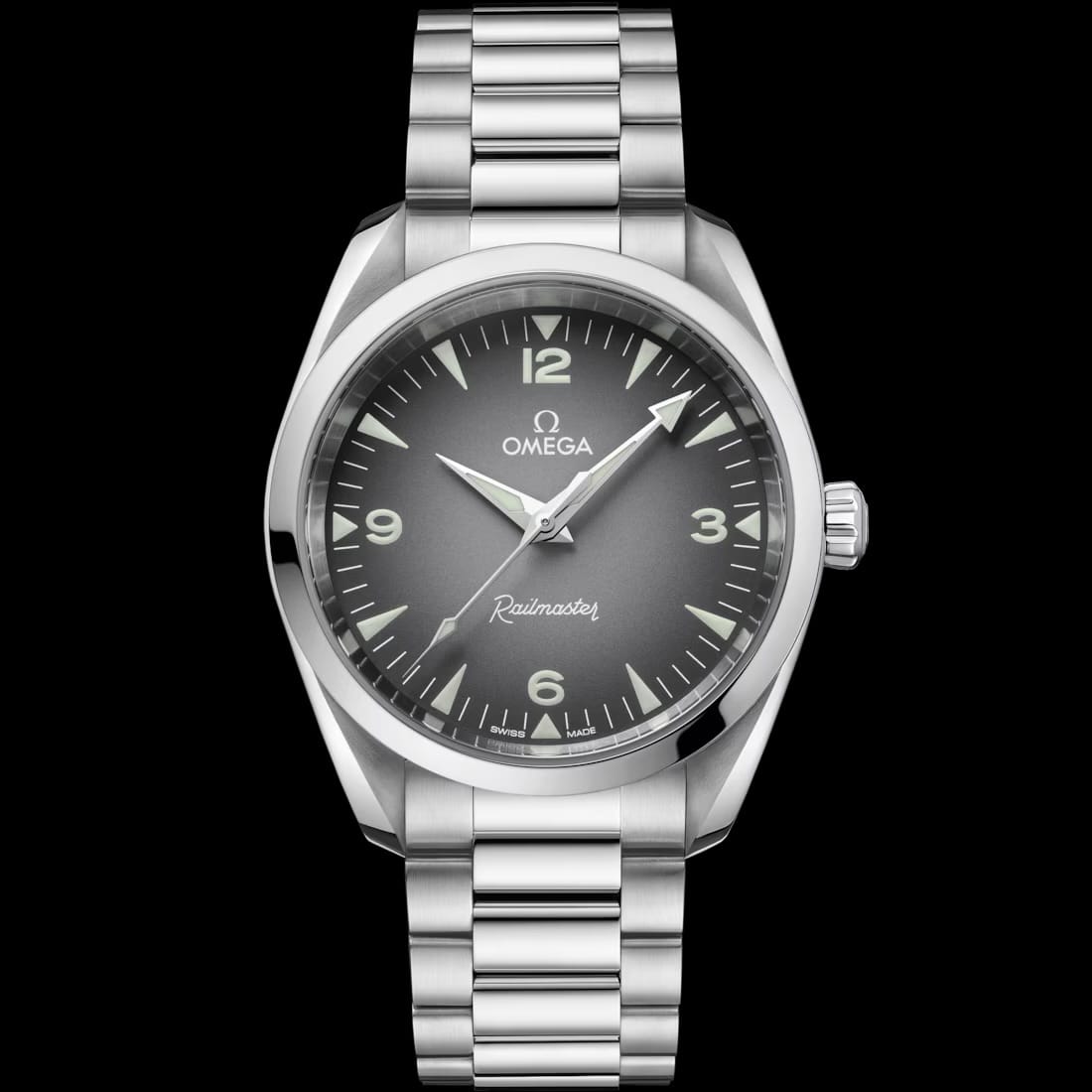
Omega Seamaster Railmaster (2025)
Omega’s 2025 refresh of the Seamaster Railmaster collection represents a thoughtful evolution of a watch originally designed for railway workers and precision timekeeping professionals who worked in environments with strong magnetic fields. The updated Railmaster features a streamlined case, refined dial gradients, and the latest Master Chronometer movements certified by METAS—a fitting certification for a watch whose original purpose was to resist magnetic interference.
The Railmaster’s appeal lies in its purposeful design and verified technical competence. The watch features a distinctive lollipop seconds hand and a dial layout optimized for legibility in demanding conditions. The 2025 edition maintains these characteristics while introducing subtle refinements to case finishing and bracelet construction. Available in multiple dial colors and material combinations, the Railmaster serves as a bridge between Omega’s professional tool watches and its dress sports watches.
At approximately $6,500-$7,000, the Railmaster occupies an interesting position in Omega’s lineup. It lacks the diving credentials of the Seamaster Diver or the iconic status of the Speedmaster, yet it offers genuine technical achievement verified by independent testing. For medical professionals or anyone working near powerful magnetic sources, the Railmaster’s heritage as an anti-magnetic tool watch combined with modern METAS certification makes it particularly appealing.
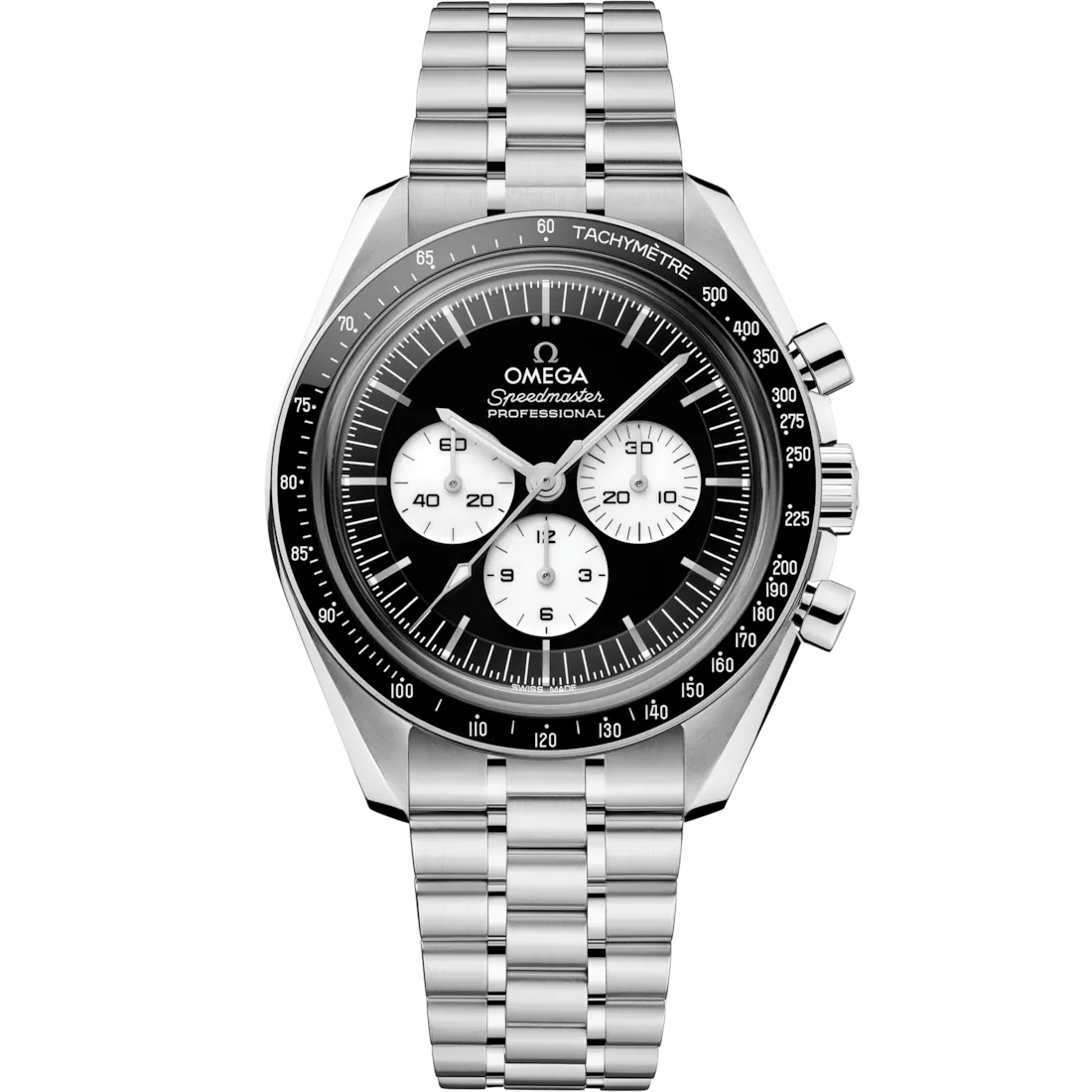
Omega Speedmaster Moonwatch Professional (Master Chronometer)
Perhaps no watch carries more historical weight than the Speedmaster Moonwatch, the chronograph worn on the lunar surface during the Apollo 11 mission. Omega’s decision to equip the Moonwatch Professional with Master Chronometer certification represents a significant technical achievement, as chronographs present additional complexity compared to standard three-hand watches.
The Speedmaster Moonwatch Professional features the Calibre 3861, a movement that took four years to develop and represents a substantial upgrade from its predecessor. The new movement delivers improved power reserve, enhanced chronometric performance, and complete magnetic resistance certification verified under real-world conditions. The watch maintains the classic design that has remained virtually unchanged since the 1960s, with the iconic “Broad Arrow” hands, tachymeter bezel, and subdial layout that defined the original.
At approximately $7,800, the Moonwatch Professional represents one of the most historically significant watches available with Master Chronometer certification. For collectors, the combination of Apollo heritage, technical achievement, and independently verified real-world performance creates a compelling narrative. The watch serves as both a functional chronograph and a tangible connection to one of humanity’s greatest achievements—now with the assurance that it will maintain accuracy despite magnetic interference from modern technology and medical equipment.
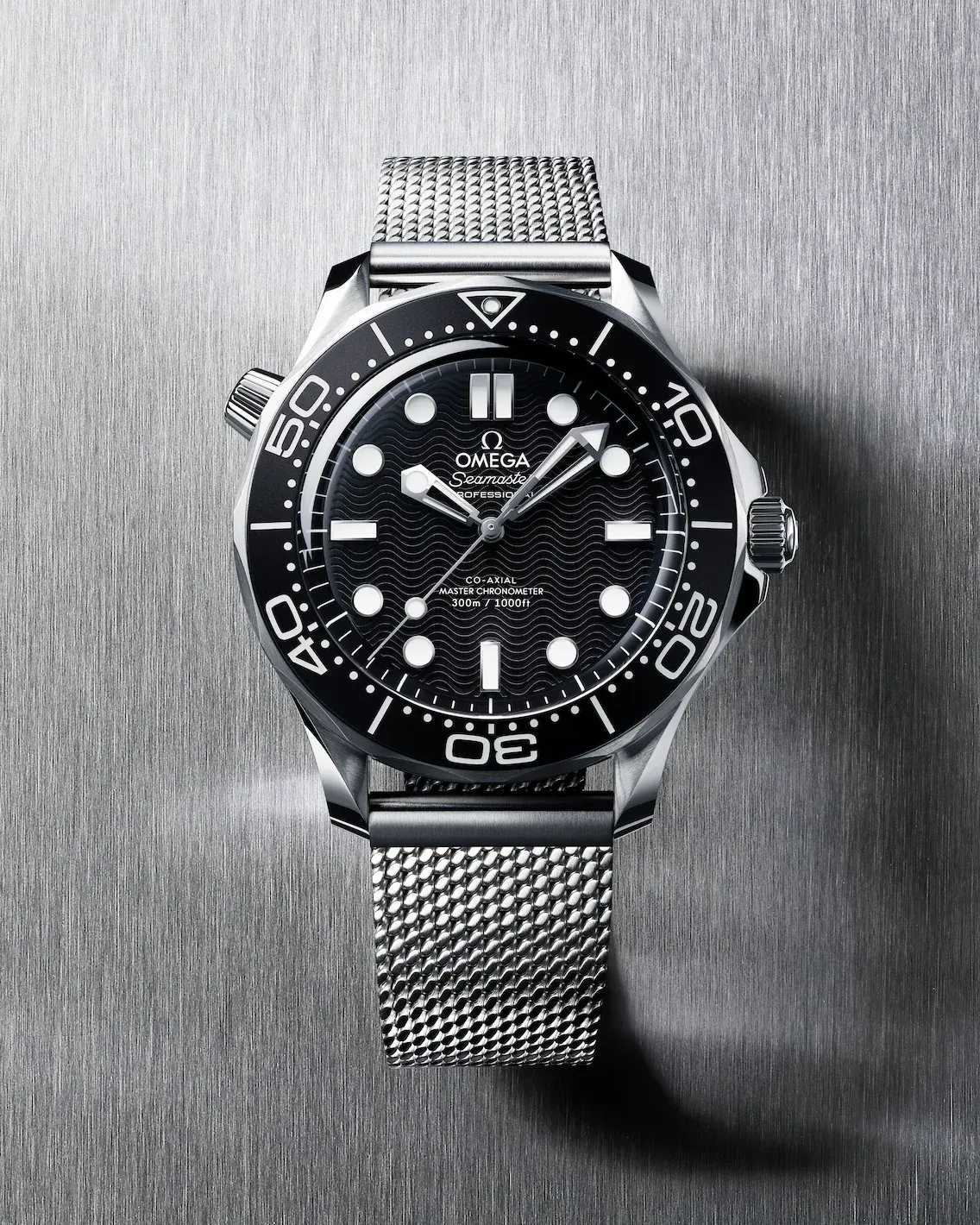
Omega Seamaster Diver 300M (Master Chronometer)
The Seamaster Diver 300M remains Omega’s most versatile sports watch, equally at home in professional diving applications or as an everyday luxury timepiece. The current generation features Master Chronometer certification and represents the culmination of decades of refinement in dive watch design.
Available in multiple case sizes (42mm and 36mm) and material combinations, the Diver 300M offers flexibility that appeals to diverse collector preferences. The watch maintains water resistance to 300 meters, sufficient for recreational diving, while the Master Chronometer movement ensures exceptional accuracy and reliability even when exposed to magnetic fields from electronic devices and medical equipment.
Priced around $7,300 for the steel version, the Diver 300M represents excellent value within Omega’s Master Chronometer lineup. The watch’s versatility—equally suitable for formal occasions, casual wear, or professional environments—combined with its independently verified technical credentials and proven reliability in real-world conditions, makes it one of the most practical METAS-certified watches available for those who want assurance their investment will perform as promised.
Tudor Pelagos Ultra (2025)
Tudor’s Pelagos Ultra represents the brand’s most technically advanced dive watch, featuring a depth rating of 1,000 meters and the Calibre MT5612-U with Master Chronometer certification. The 2025 update brings this exceptional watch into full alignment with METAS standards, cementing Tudor’s position as a serious technical watchmaker committed to independent verification of real-world performance.
The Pelagos Ultra’s 1,000-meter depth rating places it in rarefied company, suitable for technical diving applications that exceed recreational limits. The watch features a robust titanium case, a helium escape valve for saturation diving, and a distinctive design that prioritizes function over fashion. The Master Chronometer certification ensures that the watch’s technical capabilities are matched by movement precision and reliability verified under conditions simulating actual use.
At approximately $5,500-$6,000, the Pelagos Ultra offers exceptional technical specifications at a price point significantly lower than comparable Omega professional dive watches. For collectors seeking a genuine tool watch with METAS certification and serious performance credentials verified through independent testing, the Pelagos Ultra represents outstanding value.
The Significance of METAS Certification for Medical Professionals and Beyond
The proliferation of METAS-certified watches over the past two years reflects a broader shift in the luxury watch industry toward technical transparency and measurable standards that reflect real-world conditions. For medical professionals working in hospital environments, the magnetic resistance specification represents more than just an impressive technical achievement—it’s a practical necessity.
Hospital environments present unique challenges for mechanical watches. MRI suites generate magnetic fields powerful enough to magnetize traditional watch movements from adjacent rooms or corridors. CT scanners, X-ray equipment, magnetic locks, and electronic medical devices all contribute to an environment saturated with magnetic interference. Even routine activities like passing through security systems or working near portable imaging equipment can expose watches to fields strong enough to affect timekeeping.
The 15,000 gauss magnetic resistance specification ensures watches can withstand these exposures without losing accuracy. More importantly, METAS certification verifies this protection works in the complete, fully assembled watch—not just in isolated laboratory testing. For those of us who need reliable timekeeping in demanding professional environments, this independent verification provides genuine assurance.
Beyond medical settings, modern life increasingly exposes watches to magnetic fields. Smartphones, wireless charging pads, laptop magnets, security scanners, and even magnetic bag clasps can all affect traditional mechanical movements. METAS certification addresses these realities, ensuring watches maintain accuracy despite the electromagnetic environment of contemporary life.
The certification is conducted by an independent government institution with no financial stake in the results, providing objectivity that brand-specific certifications cannot match. For collectors considering a significant investment, this independence offers confidence that certification reflects genuine performance rather than marketing claims.
The Future of Precision Watchmaking
The watches earning METAS Master Chronometer certification over the past two years represent the current pinnacle of mechanical watchmaking achievement, verified through testing methods that match real-world conditions. From Omega’s comprehensive lineup to Tudor’s expanding commitment to the standard, these watches demonstrate that precision, reliability, and technical innovation remain central to luxury watchmaking—now with independent verification under demanding conditions.
For collectors considering a significant watch investment, METAS certification provides objective assurance of quality and real-world performance. Whether choosing the iconic Speedmaster Moonwatch, the versatile Seamaster Diver, or Tudor’s exceptional value propositions, METAS-certified watches offer confidence that the timepiece will maintain accuracy despite magnetic interference, temperature variations, and the challenges of daily wear.
For medical professionals or anyone working in magnetically challenging environments, METAS certification represents more than technical achievement—it’s practical assurance that a significant investment will perform reliably where it matters most. As I look toward acquiring a METAS-certified watch in the near future, the combination of independent verification, real-world testing standards, and proven magnetic resistance makes the certification not just appealing, but essential.
As the watch industry continues to evolve, METAS certification will likely become increasingly important. The standard represents genuine commitment to excellence and willingness to submit to independent verification under real-world conditions—qualities that distinguish the finest watchmakers from those relying on outdated testing methods. For those seeking watches that combine heritage, technical achievement, and measurable quality verified through meaningful testing, METAS-certified timepieces represent the logical choice and a worthwhile investment for decades of reliable service.