Parmigiani’s Vanishing Act: The Tonda PF Chronographe Mystérieux
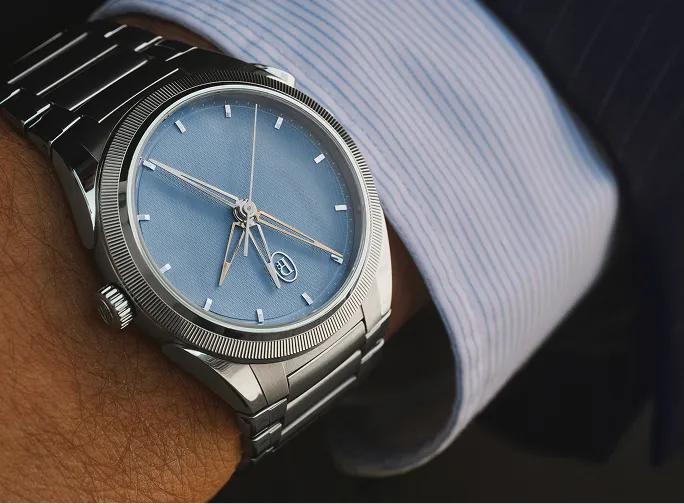
It has been 29 days since Watches and Wonders 2026 closed on April 20, and the Parmigiani Fleurier Tonda PF Chronographe Mystérieux still occupies my mind. Announced at the Geneva fair, it is one of those rare watches that becomes more compelling after the first impression fades.
The first time I saw it, the reaction was immediate: joy. Not analytical admiration, not detached respect, but the pure delight of seeing a complication behave in a way I did not expect. A chronograph, by definition, usually announces itself. Sub-dials, counters, registers, tracks — the architecture is normally visible because elapsed time must be readable at a glance.
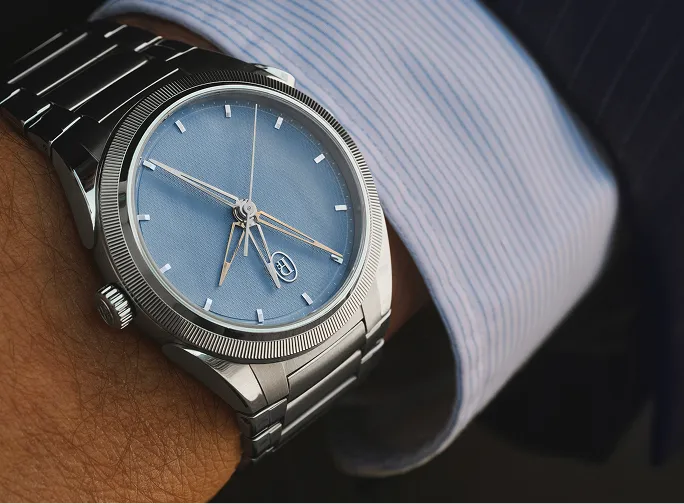
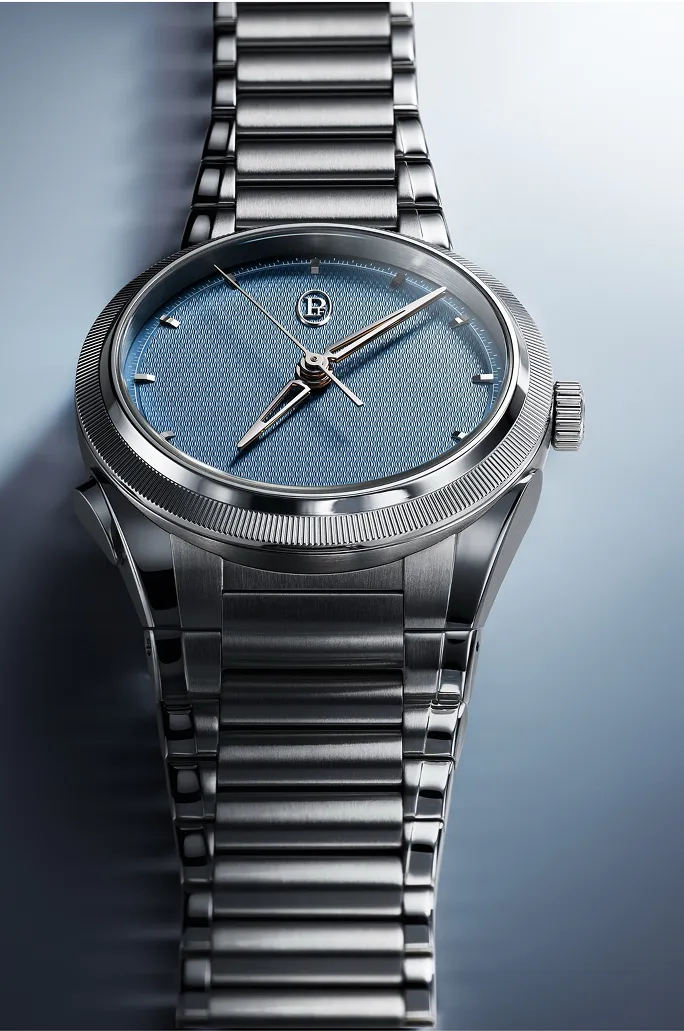
Source: Parmigiani Fleurier
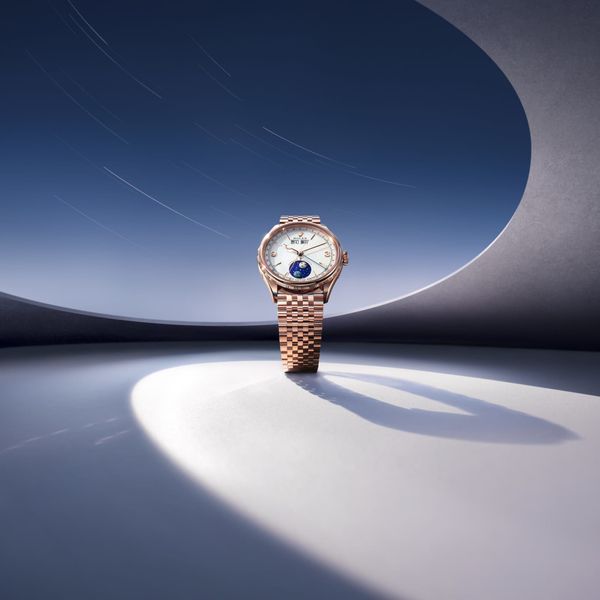
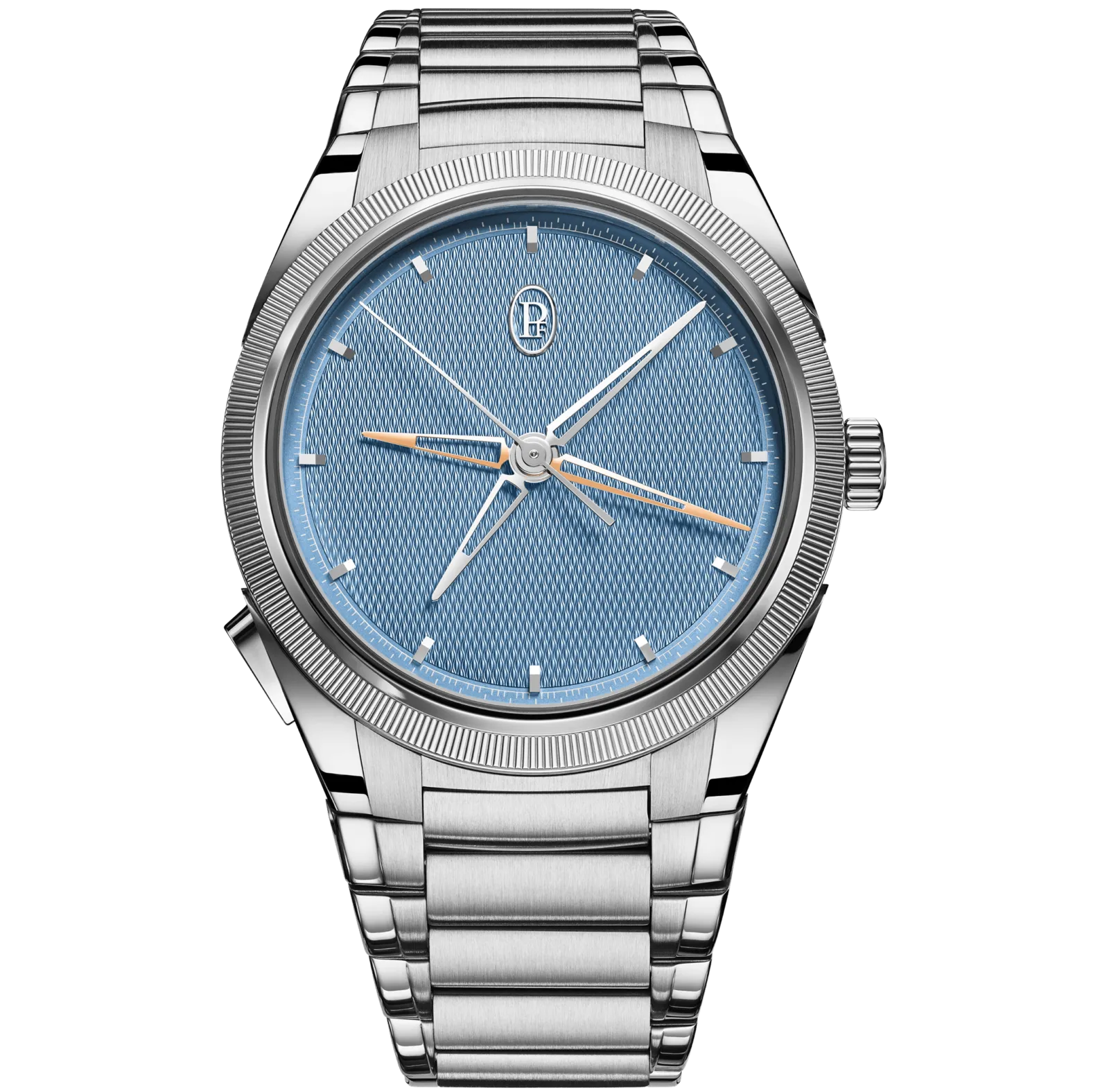
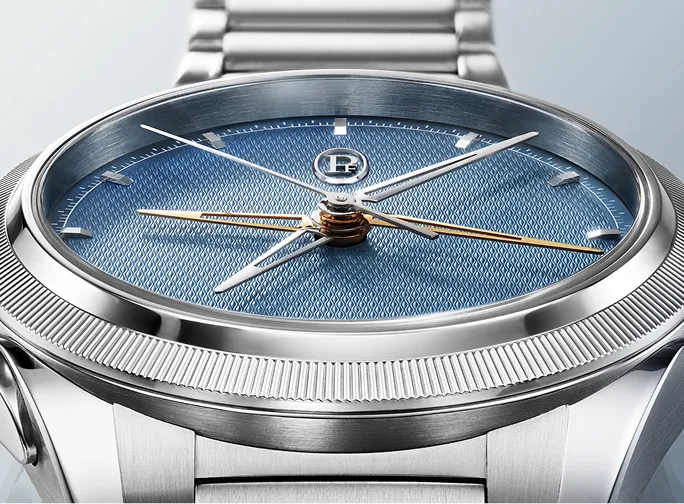
Parmigiani has taken the opposite path. At rest, the watch presents itself as a clean three-hand Tonda PF, with no counters and no visual disturbance. The chronograph appears only when activated by the monopusher at 7:30, then disappears again at reset. Five superimposed hands separate for timing and realign when the function is no longer needed.
That is the poetry of this piece. The complication is not hidden because it lacks importance; it is hidden because it understands occasion. It allows the dial to remain calm until measurement matters.
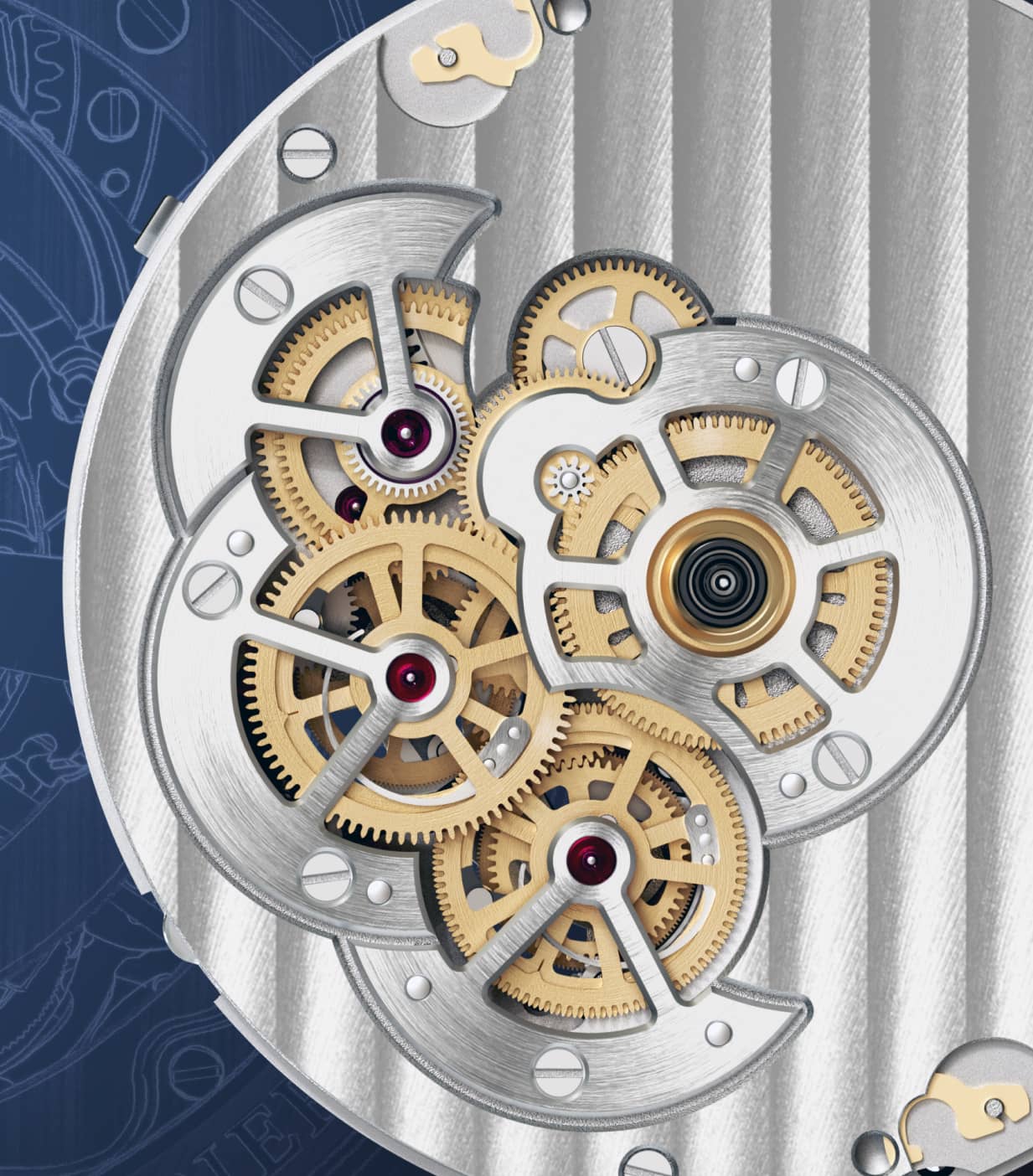
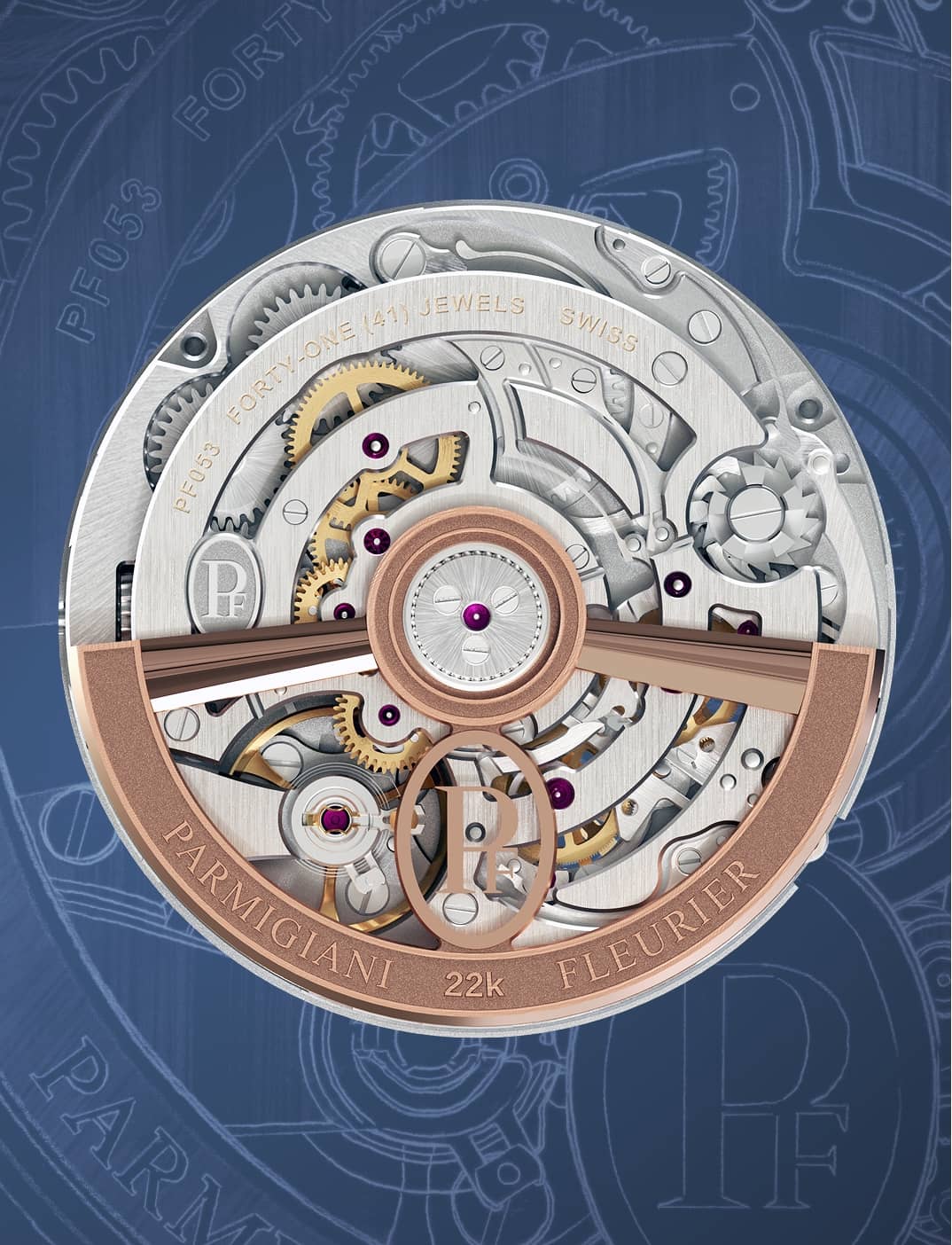
Source: Parmigiani Fleurier
Technically, the execution is equally serious. The PF053 automatic calibre uses 362 components, a triple-clutch architecture, operates at 4 Hz, and offers a 60-hour power reserve. The steel and platinum case measures 40 mm, with 100 meters of water resistance, a stainless-steel bracelet, and a hand-guilloché Mineral Blue dial.
Some collectors will want more visible drama. I understand that. But to me, this minimalism is exactly the point. The absence of sub-dials and fragmented information makes the reveal more powerful.
Available from June 2026 at CHF 36,900, the Tonda PF Chronographe Mystérieux is not merely a chronograph. It is a meditation on restraint, timing, and mechanical surprise.
Click here to learn more.