When a Collaboration Is More Than a Logo Swap: The Zenith G.F.J. x Naoya Hida & Co. Calibre 135

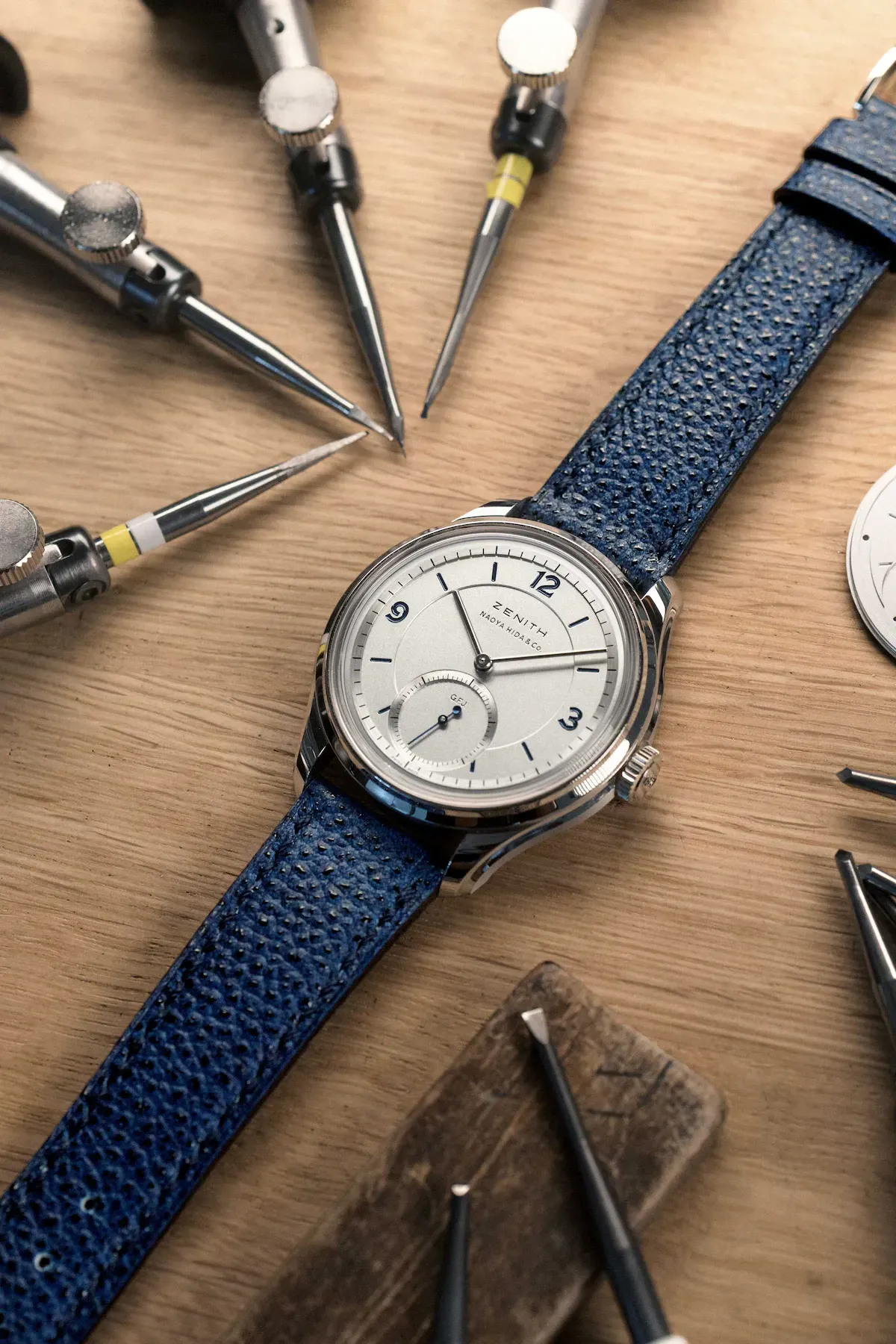
Most collaboration watches are marketing exercises wearing horological language like a borrowed suit. The new Zenith G.F.J. Calibre 135 Double Signed with Naoya Hida & Co. is interesting because it appears to do the opposite: it uses a historically serious movement as the foundation, then layers on a second design language that actually sharpens the watch’s identity instead of flattening it. The double signature matters only because both names bring real authority.
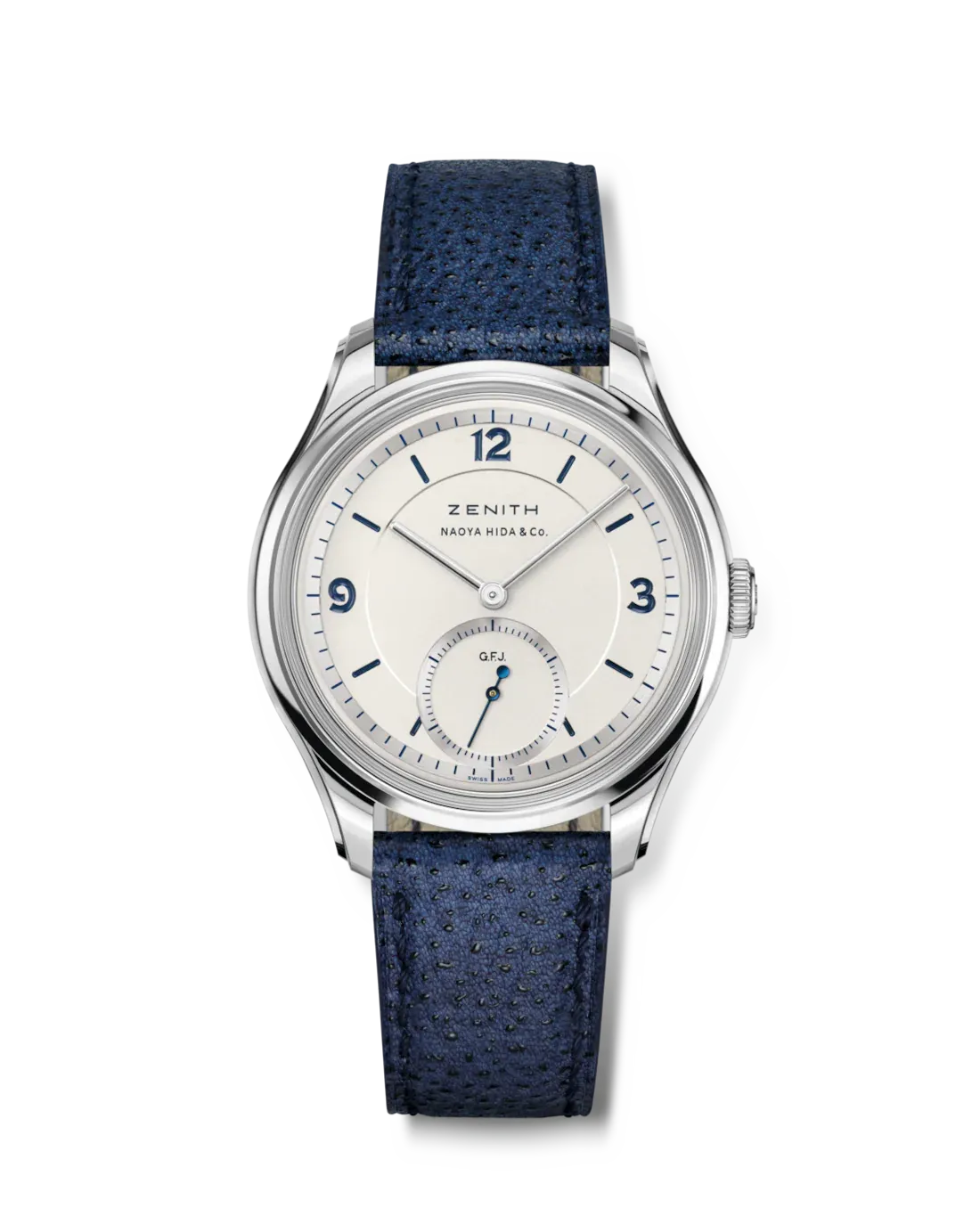
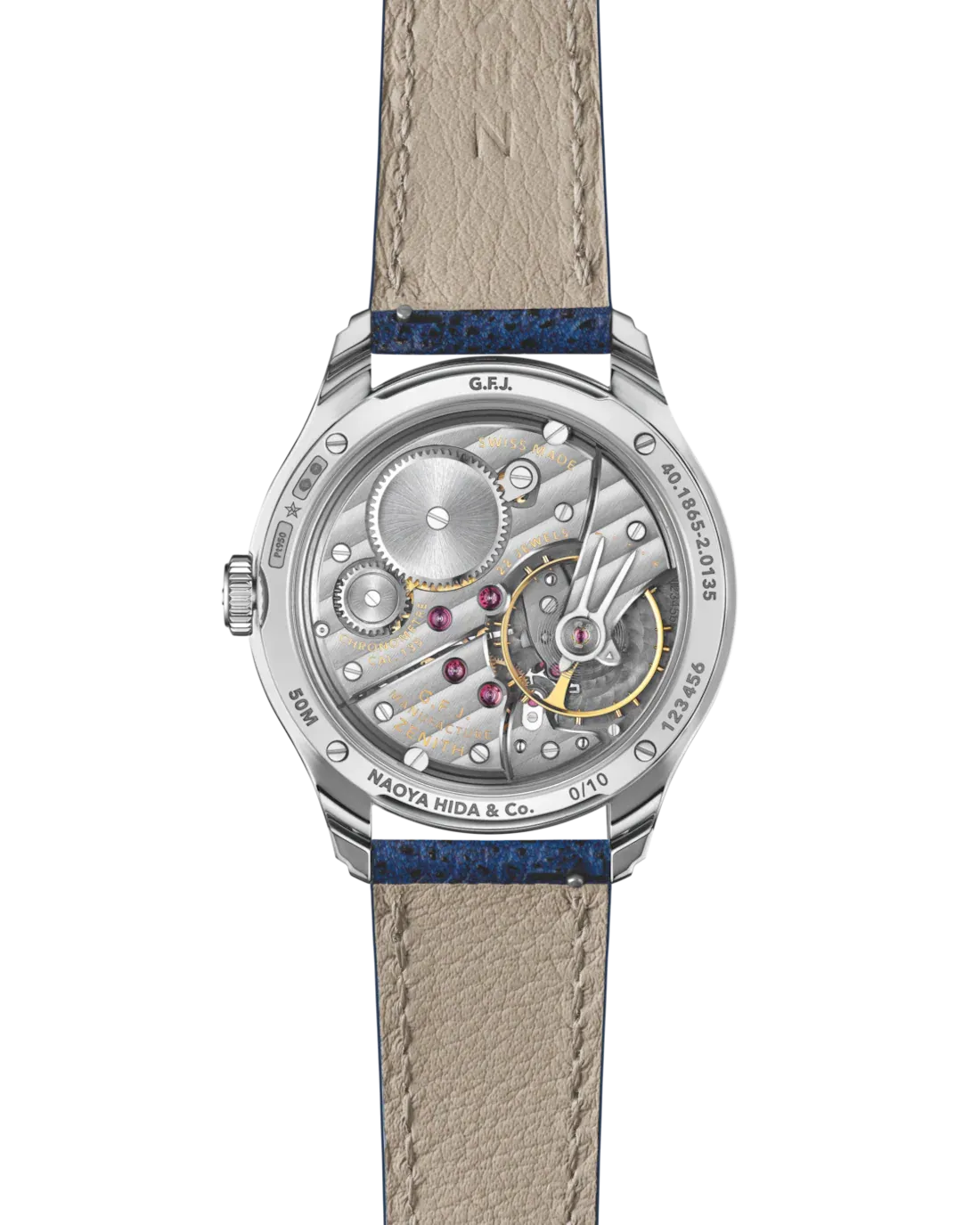
Source: Zenith
This is not just another limited edition with a famous badge. It is a collaboration that invites a more serious question: what happens when a heritage Swiss manufacture and a Japanese independent aesthetic sensibility meet without either side surrendering its point of view?
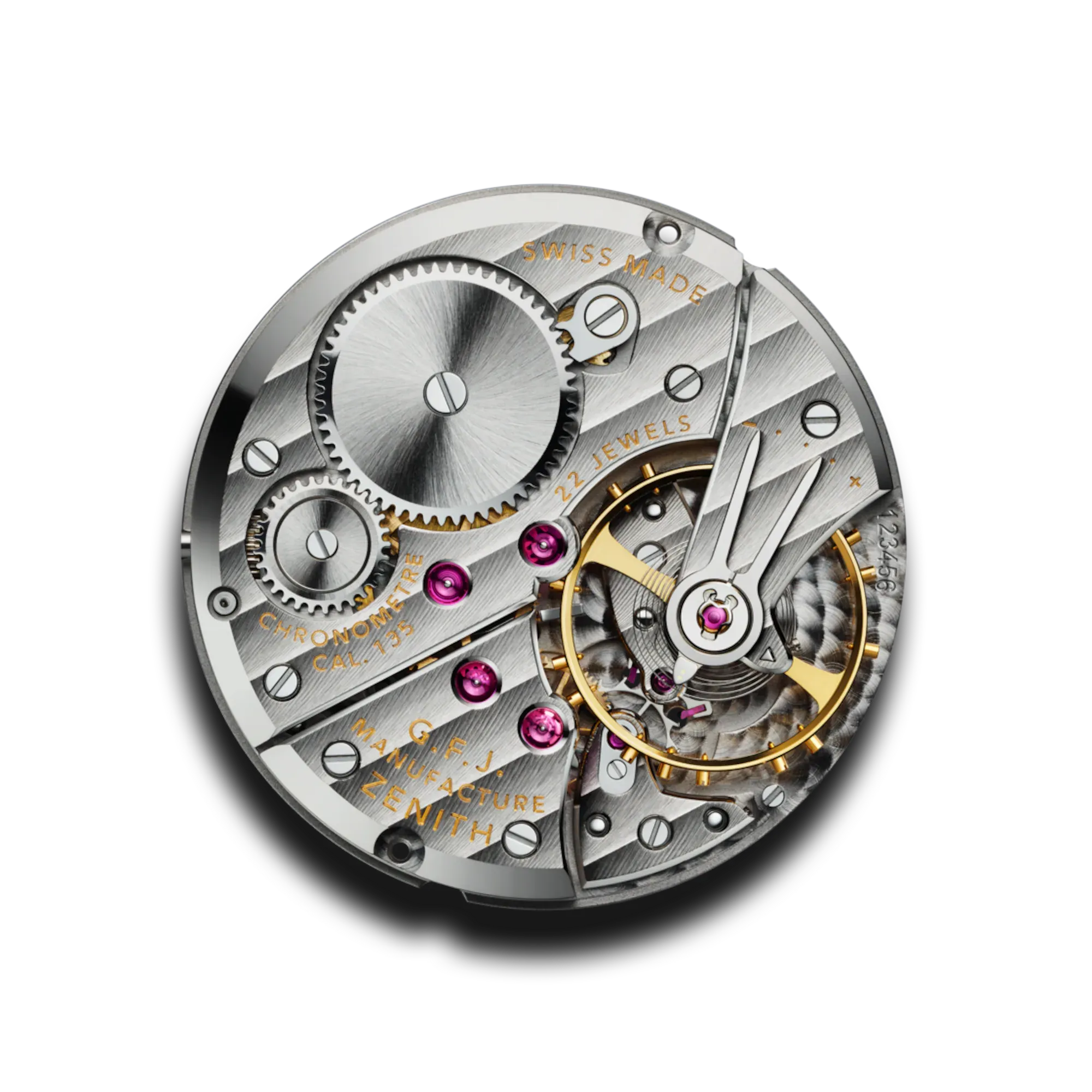
Zenith brings the historical weight. Naoya Hida & Co. brings the restraint, typography, and severe elegance that collectors increasingly associate with true connoisseurship. In a market flooded with collabs that feel like mood-board exercises, that distinction matters.
There is a category of watch collaboration that exists mainly to reassure the market that two brands still know how to speak to each other. Then there is the rarer kind: a collaboration that creates tension, and therefore meaning. The new Zenith G.F.J. Calibre 135 Double Signed with Naoya Hida & Co. belongs in the second category. The easiest way to mistake this watch is to see only the signatures. Zenith on one side, Naoya Hida on the other, and a double-signed dial that can be reduced to branding if you are not paying attention. But that would miss the point entirely. The point is not that two names appear on the watch. The point is that each name contributes something different and nontrivial.
Zenith’s G.F.J. line already carries historical gravity. Pairing it with the Calibre 135 is not a random act of nostalgia; it is a reminder that the most interesting modern luxury objects are often the ones that recover older standards of seriousness. The Calibre 135 matters because it is not there to decorate the story. It is there to anchor it. In a category obsessed with newness, a movement with historical credibility gives the watch the right kind of weight. Naoya Hida & Co., meanwhile, is not in the room to add novelty. It is there because the brand has become one of the cleanest expressions of disciplined taste in contemporary watchmaking. Naoya Hida’s work does not shout. It does not need to. The appeal is in the balance: typography, proportion, finishing, and a refusal to treat refinement as a synonym for blandness. That sensibility changes the emotional register of any watch it touches.
That is what makes this collaboration worth writing about. It is not trying to be everything at once. It is not trying to be playful, disruptive, loud, or memeable. It is trying to be coherent. And coherence is underrated in watchmaking because it is harder to market than spectacle.
Double-signed watches are usually tricky. When the collaboration is superficial, the second signature feels like a decal. When the collaboration is genuine, the second signature changes the way the watch is read. This feels like the latter. The Naoya Hida connection does not diminish Zenith’s legitimacy; it clarifies it. It suggests confidence rather than insecurity. Zenith is not asking for relevance by borrowing a cool independent name. It is testing whether its own heritage can survive contact with a stricter, more modern aesthetic language.
That is the real value here. Not hype. Not scarcity for its own sake. Not the collector reflex to treat anything limited as important. The value is that the watch seems to argue for a different standard: seriousness, design discipline, and historical continuity. The watch world could use more of that.
A lot of modern watch collaborations confuse visibility with meaning. They assume that putting two logos together creates an event. But watch people, especially the good ones, are not moved by logo arithmetic. They are moved by whether the watch resolves into an object with its own inner logic. This one appears to do that. If the result holds up in hand, the Zenith G.F.J. x Naoya Hida & Co. could become a useful reference point for how to do collaborations properly. Not by chasing novelty. Not by flattening identity. But by letting two distinct vocabularies meet in a way that makes both of them sharper. And that is the rare collaboration worth caring about.